Friday, February 6, 2026

Latest from Food Politics: Weekend reading: Food education standards
Food and nutrition education is hard to come by these days.   As Laura Reiley wrote in Civil Eats, The end of SNAP-Ed leaves underserved communities with even fewer resources.  The One Big Beautiful Bill Act eliminated the program in July, giving ...
‌ ‌ ‌ ‌ ‌ ‌ ‌ ‌ ‌ ‌ ‌ ‌ ‌ ‌ ‌ ‌ ‌ ‌ ‌ ‌ ‌ ‌ ‌ ‌ ‌ ‌ ‌ ‌ ‌ ‌ ‌ ‌ ‌ ‌ ‌ ‌ ‌ ‌ ‌ ‌ ‌ ‌ ‌ ‌ ‌ ‌ ‌ ‌ ‌ ‌ ‌ ‌ ‌ ‌ ‌ ‌ ‌ ‌ ‌ ‌ ‌ ‌ ‌ ‌ ‌ ‌ ‌ ‌ ‌ ‌ ‌ ‌ ‌ ‌ ‌ ‌ ‌ ‌ ‌ ‌ ‌ ‌ ‌ ‌ ‌ ‌ ‌ ‌ ‌ ‌ ‌ ‌ ‌ ‌ ‌ ‌ ‌ ‌ ‌ ‌ ‌ ‌ ‌ ‌ ‌ ‌ ‌ ‌ ‌ ‌ ‌ ‌ ‌ ‌ ‌ ‌ ‌ ‌ ‌ ‌ ‌ ‌ ‌ ‌ ‌ ‌ ‌ ‌ ‌ ‌ ‌ ‌ ‌ ‌ ‌ ‌ ‌ ‌ ‌ ‌ ‌ ‌ ‌ ‌ ‌ ‌ ‌ ‌ ‌ ‌ ‌ ‌ ‌ ‌ ‌ ‌ ‌ ‌ ‌ ‌ ‌ ‌ ‌ ‌ ‌ ‌ ‌ ‌ ‌ ‌ ‌ ‌ ‌ ‌ ‌ ‌ ‌ ‌ ‌ ‌ ‌ ‌ ‌ ‌ ‌ ‌ ‌ ‌ ‌ ‌ ‌ ‌ ‌ ‌ ‌ ‌ ‌ ‌ ‌ ‌ ‌ ‌ ‌ ‌ ‌ ‌ ‌ ‌ ‌ ‌ ‌ ‌ ‌ ‌ ‌ ‌ ‌ ‌ ‌ ‌ ‌ ‌ ‌ ‌ ‌ ‌ ‌ ‌ ‌ ‌ ‌ ‌ ‌ ‌ ‌ ‌ ‌ ‌ ‌ ‌ ‌ ‌ ‌ ‌ ‌ ‌ ‌ ‌ ‌ ‌ ‌ ‌ ‌ ‌ ‌ ‌ ‌ ‌ ‌ ‌ 

By Marion Nestle

Weekend reading: Food education standards
Food and nutrition education is hard to come by these days.  As Laura Reiley wrote in Civil Eats,

The end of SNAP-Ed leaves underserved communities with even fewer resources.  The One Big Beautiful Bill Act eliminated the program in July, giving program administrators 90 days to dismantle a nationwide network of nutrition classes and outreach efforts.

You would think that educating SNAP recipients about choices and cooking methods would be good for everyone, but no such luck.

Some groups are trying to fill the gap.  Alex DeSorbo-Quinn, the Executive Director of Pilot Light Chefs, sent me a press release 

 Pilot Light today announced the release of its updated Food Education Standards, the first-ever comprehensive framework for integrating Food Education into PreK-12 classrooms. The revised standards build on five years of real-world implementation by educators across the United States and expand access to include PreK students for the first time.

The 2025 edition of the Food Education Standards:

  • Incorporate greater diversity in food system expertise, ensuring all students see themselves reflected in Food Education.
  • Reflect best practices in teaching and learning based on five years of classroom implementation.
  • Include competencies tailored to PreK students for greater accessibility and early childhood engagement.

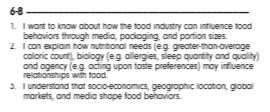
Here’s an example of competency #4: Food behaviors are influenced by external and internal factors for grades 6-8 (I can’t get the resolution higher, sorry):

The standards come with suggestions for activities designed to meet them.

For anyone teaching K-12, this ought to be useful.

It also should be useful to anyone who has a K-12 kid.

The post Weekend reading: Food education standards appeared first on Food Politics by Marion Nestle

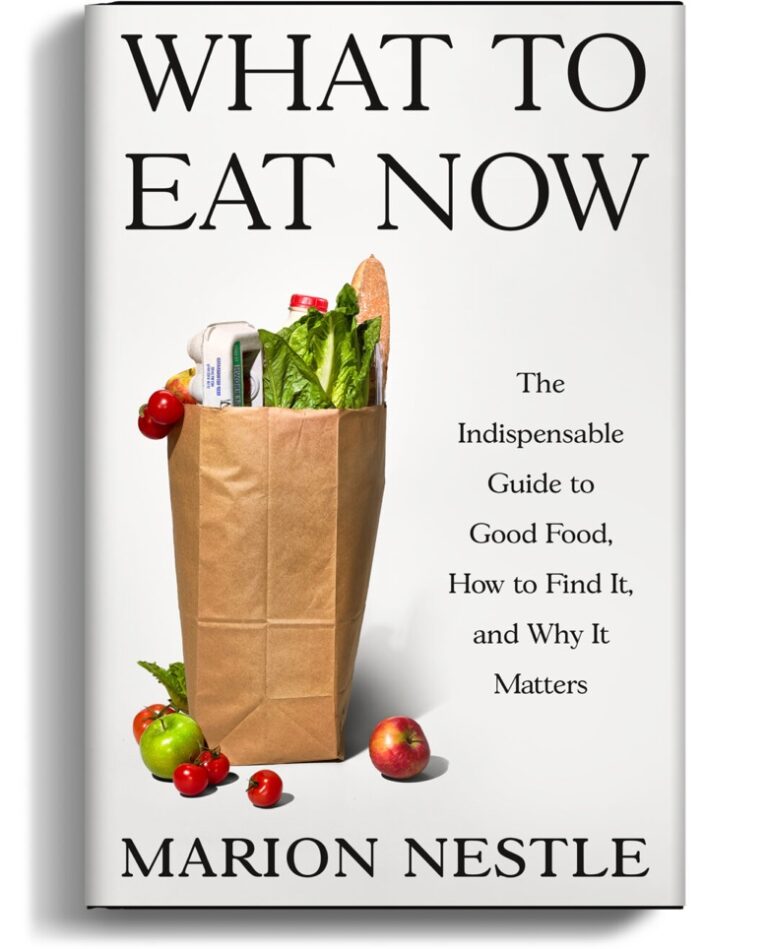
Now Available: What to Eat Now

My new book, What to Eat Now, is officially out!

It's both a field guide to food shopping in America and a reflection on how to eat well—and deliciously.

For more information and to order, click here.

You can explore the full archive of this (almost) daily blog at foodpolitics.comwhere you'll also find information about my books, articles, media interviews, upcoming lectures, favorite resources, and FAQs.


​​​​​​​

Marion Nestle

Paulette Goddard Professor of Nutrition, Food Studies, and Public Health at New York University, Emerita


© Marion Nestle. You're receiving this email because you've signed up to receive updates from us.

If you'd prefer not to receive updates, you can unsubscribe.


No comments:

Post a Comment

Latest from Food Politics: Weekend reading: Food education standards

Food and nutrition education is hard to come by these days.   As Laura Reiley wrote in Civil Eats, The end of SNAP-Ed leaves underserved com...